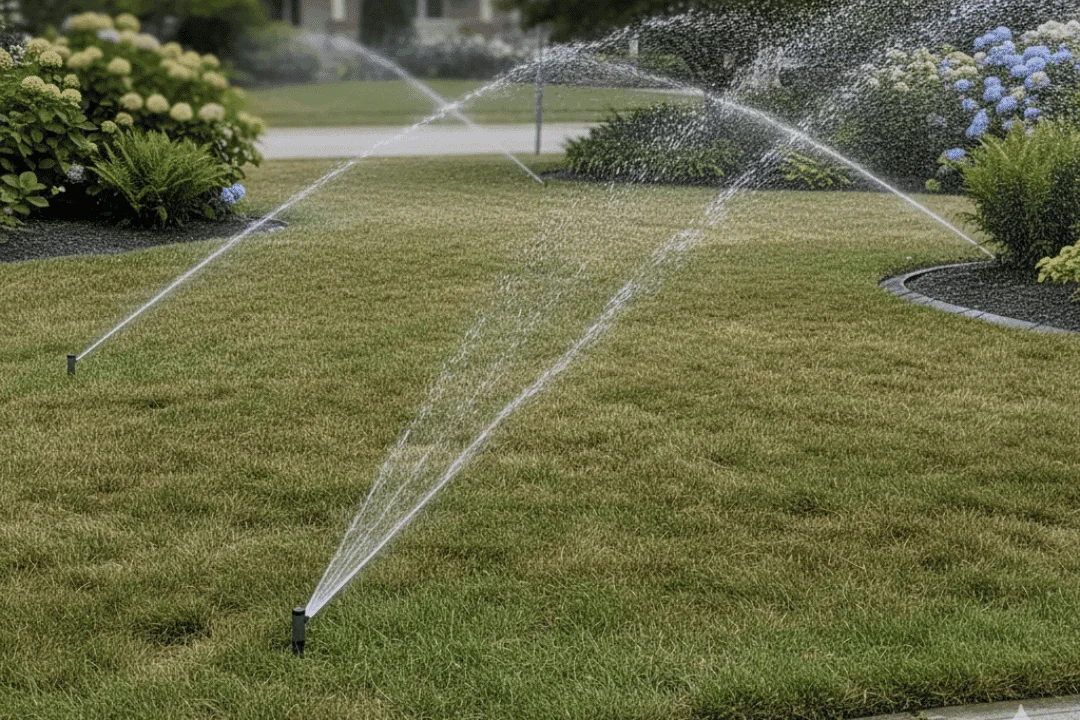
Understanding how irrigation systems work helps homeowners and property managers make better decisions about water use, system efficiency, and landscape care. While irrigation systems may seem simple from the surface, they rely on multiple components that must operate in a coordinated sequence. Valves regulate water flow, controllers manage timing, sprinkler heads distribute water, and zones control how water is applied across different areas.

Learning how irrigation systems work also makes it easier to recognize when adjustments are needed. Whether it involves scheduling changes, uneven coverage, or system inefficiencies, knowing how each component functions provides clarity. From understanding how irrigation valves work to knowing how long irrigation zones should run, every detail plays a role in consistent water delivery.
This article explains how irrigation systems operate by breaking down their core components and showing how they work together to support reliable and efficient watering. Based on more than two decades of designing and servicing irrigation systems, Pro Sprinklers Inc. frequently sees that performance issues are rarely caused by a single component. Instead, most inefficiencies come from how valves, controllers, heads, and zones are configured together. Understanding this interaction helps property owners avoid unnecessary adjustments that treat symptoms instead of root causes.
How Irrigation Valves Control Water Flow Throughout the System
Understanding how irrigation valves work is essential to understanding the entire irrigation system.
Irrigation valves act as control points that allow or stop water flow to specific areas. They open and close based on signals received from the controller, directing water only where it is scheduled to go.
How Irrigation Valves Work With System Pressure
In practice, Pro Sprinklers Inc. often finds that valve performance issues stem from improper zone grouping or debris buildup rather than electrical failure, especially in older systems or high-use commercial properties.
Irrigation valves respond to electrical signals that tell them when to open. Once activated, they allow pressurized water to flow into a designated zone.
Key roles of irrigation valves include:
- Controlling water flow to individual zones
- Preventing unwanted water release
- Supporting balanced pressure across the system
Why Valve Function Affects Overall Efficiency
If valves fail to open or close correctly, zones may receive too much or too little water. Understanding how irrigation valves work helps explain common issues such as constant dripping, dry areas, or zones that run unexpectedly.
Proper valve operation ensures water moves through the system in a controlled and predictable way.
Irrigation Controllers and How Scheduling Is Managed

Irrigation controllers serve as the system’s command center, determining when and how long each zone operates.
These devices allow users to program watering schedules that match landscape needs, seasonal changes, and water conservation goals. Without irrigation controllers, irrigation systems would require manual operation.
How Irrigation Controllers Coordinate System Timing
Irrigation controllers send signals to valves based on programmed schedules. Each signal activates a specific zone for a set duration.
They typically manage:
- Start times for watering cycles
- Run durations for each zone
- Multiple zones operating in sequence
Understanding how irrigation controllers function helps explain why proper scheduling matters.
Why Controller Programming Matters
Incorrect programming can lead to overwatering or insufficient coverage. Learning how irrigation controllers operate allows property owners to better understand how watering schedules affect plant health and water usage.
Modern irrigation controllers used by Pro Sprinklers Inc. are often programmed to adjust run times based on seasonal demand rather than fixed schedules. In real-world applications, improper controller programming is one of the most common causes of overwatering. By aligning controller logic with landscape type and water pressure, systems remain efficient without sacrificing coverage.
Sprinkler Heads and How Water Reaches the Landscape

Sprinkler heads are responsible for delivering water from the system to the soil and plants.
Although they are the most visible part of the system, sprinkler heads must be carefully matched to the areas they serve. Different designs provide different spray patterns and flow rates.
The Function of Sprinkler Heads in Water Distribution
Sprinkler heads release water in controlled patterns to ensure even coverage. Some are designed for wide lawn areas, while others focus on targeted watering.
Sprinkler heads help:
- Distribute water evenly
- Prevent overspray and runoff
- Match water output to plant needs
Proper alignment ensures sprinkler heads deliver water where it is needed most.
Why Sprinkler Head Placement Matters
Misaligned or damaged sprinkler heads can lead to dry spots or water waste. Understanding how sprinkler heads function makes it easier to recognize when adjustments or inspections may be needed.
When sprinkler heads operate correctly, they support the system’s overall balance.
Irrigation Zones and How Long They Should Run
Irrigation zones divide a system into sections that water independently.
Each zone groups areas with similar water requirements, allowing for more precise watering. Understanding how long irrigation zones should run is critical for maintaining efficiency.
Factors That Influence Zone Run Time
Through field evaluations, Pro Sprinklers Inc. regularly adjusts zone run times based on soil absorption rates rather than surface appearance alone. Systems that rely only on visible saturation often experience runoff or shallow root development, even when watering appears sufficient.
Several factors affect how long irrigation zones should run, including:
- Soil type and drainage
- Plant water needs
- Sun exposure
- Seasonal weather conditions
There is no single answer that fits every property. Run times must be adjusted based on these conditions.
Why Zone Timing Impacts System Performance
When zones run too long, water runoff and waste may occur. When zones run too briefly, plants may not receive enough moisture. Understanding how long irrigation zones should run helps maintain balanced watering across the landscape.
Zones operate sequentially to maintain water pressure and ensure even coverage.
How All Components Work Together in One System
Understanding how irrigation systems work requires seeing how valves, controllers, sprinkler heads, and zones interact.

The process follows a clear sequence:
- Irrigation controllers initiate a watering schedule
- Valves open to allow water flow
- Sprinkler heads distribute water
- Zones operate for programmed durations
When each component performs its role correctly, the system functions smoothly.
Common Performance Issues Explained Through System Operation
Many irrigation problems can be traced back to how components interact.
Examples include:
- Valve issues affecting water flow
- Controller scheduling errors
- Sprinkler heads delivering uneven coverage
- Zones running too long or too short
From a service perspective, Pro Sprinklers Inc. emphasizes that system balance matters more than individual component performance, as even high-quality parts can underperform if sequencing, pressure, or zoning is misaligned.
Why Understanding System Operation Benefits Property Owners
Knowing how irrigation systems work provides clarity and confidence.
Property owners who understand system components are better equipped to:
- Communicate concerns clearly
- Recognize irregular watering patterns
- Make informed decisions about adjustments
This knowledge supports long-term efficiency and responsible water use.
FAQs: How Irrigation Systems Work
How does an irrigation system work step by step?
An irrigation system works by following a programmed sequence that controls water delivery across different areas. Irrigation controllers send signals to valves, which open to allow water to flow through underground pipes. Sprinkler heads then distribute the water evenly within designated zones for a set amount of time. Understanding this sequence helps explain how irrigation systems deliver consistent coverage without overwatering.
How do irrigation valves control water flow?
Irrigation valves control when and where water moves through the system by opening and closing in response to signals from the controller. Each valve is assigned to a specific zone, allowing water to flow only to that area during its scheduled run time. Learning how irrigation valves work makes it easier to understand why a single valve issue can affect an entire zone.
What role do irrigation controllers play in system operation?
Irrigation controllers act as the system’s control center by managing watering schedules, start times, and zone run durations. These devices ensure each zone operates independently and in sequence, helping maintain proper water pressure. According to educational resources from Pro Sprinklers Inc., correct controller programming is essential for balancing efficiency with plant health.
How long should irrigation zones run for proper watering?
How long irrigation zones should run depends on factors such as soil type, plant needs, sun exposure, and seasonal weather conditions. Zones with sandy soil may require shorter, more frequent watering, while clay soil may need longer but less frequent run times. Understanding zone timing helps prevent runoff and supports even moisture absorption.
Why is it important to understand how irrigation systems work?
Understanding how irrigation systems work allows property owners to recognize performance issues, communicate concerns clearly, and make informed decisions about adjustments. Pro Sprinklers Inc. emphasizes that basic knowledge of valves, irrigation controllers, sprinkler heads, and zones helps property owners better manage water use and maintain system reliability over time.
Learn More About How Irrigation Systems Operate
Understanding how irrigation systems function from learning how irrigation valves work to knowing how long irrigation zones should run provides valuable insight into efficient water management. Drawing from decades of hands-on system design, installation, and service experience, Pro Sprinklers Inc. helps property owners understand not just how irrigation components work, but why they perform the way they do in real-world conditions.
Exploring these resources can help property owners better understand how system components work together and how small adjustments can improve overall efficiency. Access to clear, reliable information makes it easier to make informed decisions about irrigation systems and long-term water management.To continue learning more about irrigation system operation and planning, visit the website or contact us today for additional educational resources and guidance.