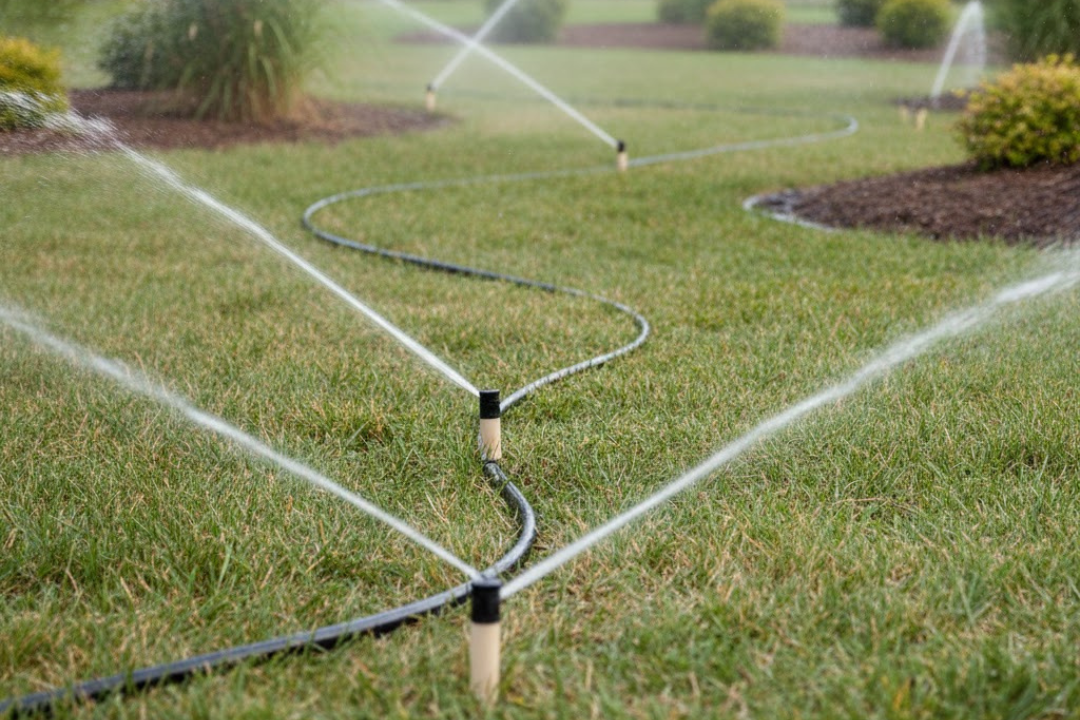
Outdoor watering is one of the largest contributors to residential and commercial water use, yet much of that water never reaches plant roots. Runoff, overspray, evaporation, and uneven coverage are common problems when irrigation systems are installed without careful planning. These issues often go unnoticed until water bills rise or landscapes begin to struggle. Professional irrigation system design plays a critical role in solving these challenges by aligning water delivery with real environmental conditions rather than relying on generic layouts.
Professional irrigation system design begins with evaluating the property as a whole, including landscape layout, plant types, soil conditions, and water supply characteristics. Designers assess how water will move through the system before installation begins, identifying areas where runoff, overspray, or pressure loss could occur. This planning stage allows inefficiencies to be corrected on paper, preventing water loss that often results from reactive adjustments after installation.
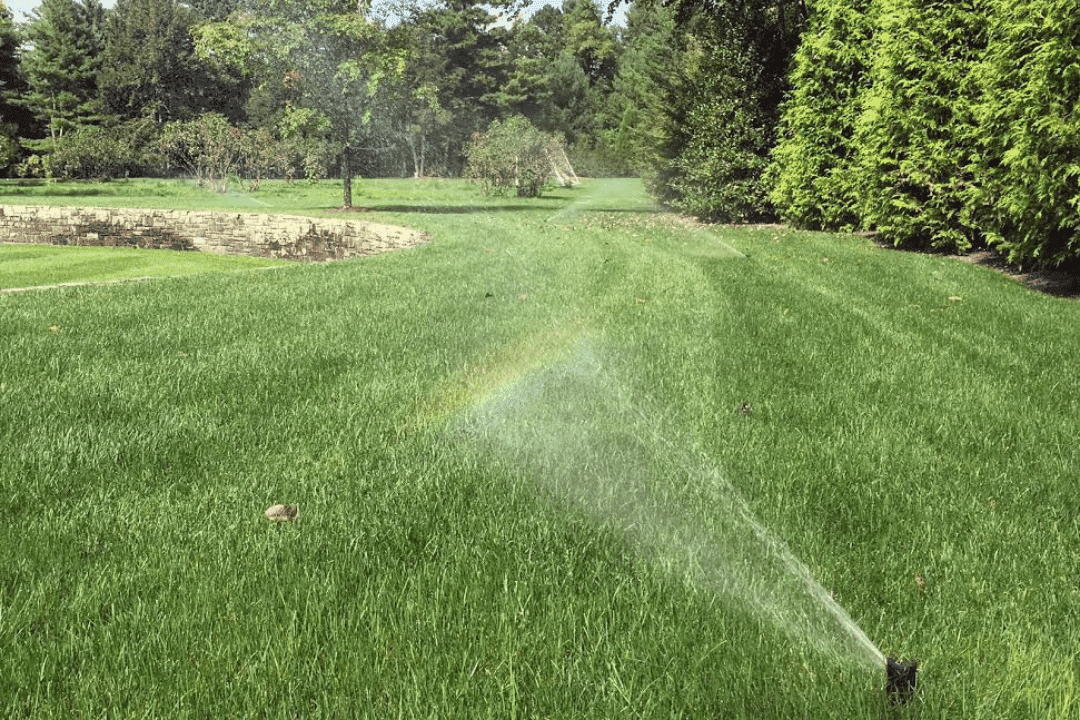
Many property owners assume efficiency depends only on sprinkler heads or controllers, but system performance is shaped long before installation begins. Design decisions influence how water moves through the landscape, how evenly it is applied, and how much is ultimately lost. Understanding how professional irrigation system design improves efficiency and reduces water loss helps explain why thoughtful planning is essential for sustainable irrigation. This article explores how layout, zoning, pressure control, and scheduling work together to support irrigation efficiency while conserving water.
Why Irrigation System Layout Determines Water Efficiency
Irrigation system layout determines how evenly water is distributed across a landscape, directly affecting how much water is absorbed versus wasted. When layouts are poorly planned, some areas receive excess water while others remain dry, forcing longer run times and increasing water loss.
An effective irrigation system layout considers spacing, spray patterns, and coverage overlap. Heads are positioned so water reaches targeted areas without spilling onto sidewalks, driveways, or hardscapes. This balanced distribution allows the system to operate efficiently without compensating for dry spots. Uniform water application ensures that all areas receive consistent moisture levels, reducing the need for extended run times that increase evaporation and water loss.
Poor layouts often result in:
- uneven watering zones
- overspray onto non-landscaped surfaces
- runoff caused by concentrated spray patterns
By designing the layout around the property’s actual dimensions and landscape features, irrigation efficiency improves while unnecessary water use is reduced. Professional layouts also account for elevation changes, property edges, and obstructions that influence spray performance. These factors help determine head placement and spacing so water reaches intended areas evenly without relying on longer run times to compensate for design gaps.
How Proper Zoning Prevents Overwatering
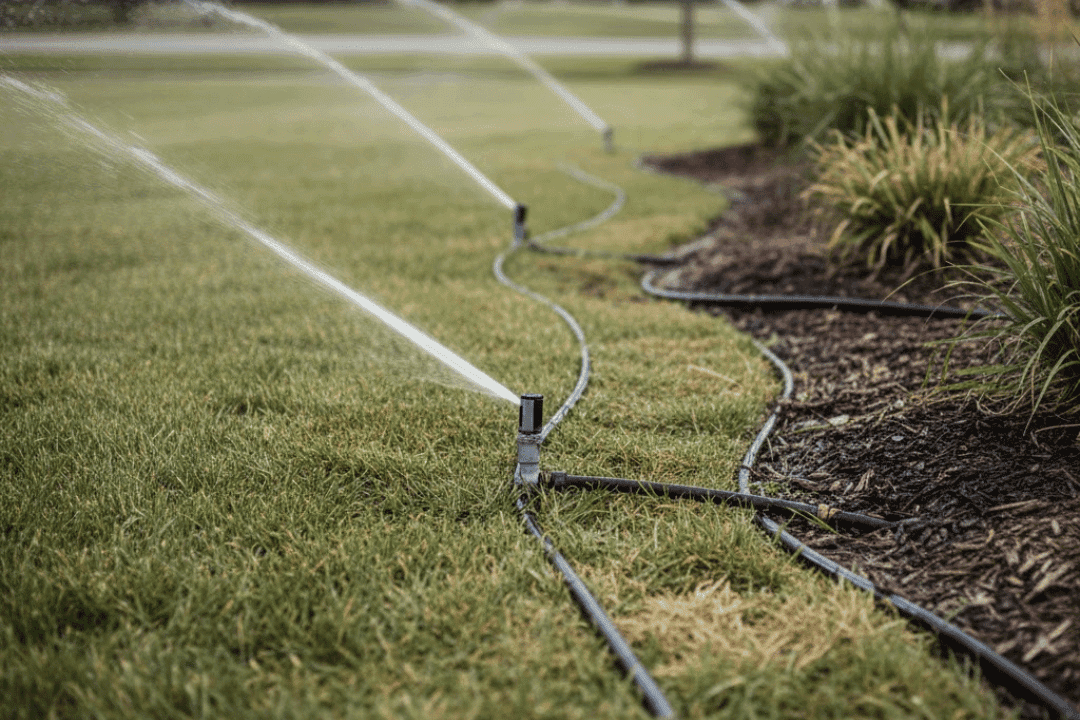
Irrigation efficiency improves when zones are designed around plant water needs rather than convenience. Zoning refers to grouping irrigation areas based on similar watering requirements, exposure, and soil conditions.
Zoning also helps control water pressure and flow by limiting how many sprinkler heads operate at once within a zone. Properly sized zones prevent pressure drops that reduce coverage while avoiding excess flow that leads to misting and runoff. This balance improves efficiency while protecting system components.
Effective zoning separates:
- turf areas from planting beds
- sun-exposed zones from shaded zones
- flat areas from slopes
When zones are combined incorrectly, low-water plants receive too much irrigation while high-demand areas struggle. This imbalance leads to overwatering and water loss. Proper zoning allows each area to receive the right amount of water at the right time, supporting healthier landscapes and reducing waste.
The Role of Pressure Control in Reducing Water Loss
Reducing water loss by managing water pressure is one of the most overlooked aspects of irrigation system design. Excessive pressure causes misting, where fine droplets evaporate before reaching the soil, while low pressure leads to uneven coverage.
Water pressure varies significantly depending on the property’s water source. Municipal supplies, wells, and shared systems all deliver water differently, and design decisions must account for these variations. Understanding available flow and pressure at the source allows irrigation systems to be designed within realistic operating limits, preventing inefficiencies caused by mismatched system demand.
Professional irrigation system design accounts for pressure regulation by:
- installing pressure-regulating components
- matching spray heads to flow rates
- balancing pressure across zones
When pressure is controlled properly, water is applied consistently and efficiently. This reduces evaporation, runoff, and mechanical stress on system components, all of which contribute to long-term water conservation.
In systems without proper pressure control, spray patterns break down and water is applied inconsistently across the landscape. Pressure regulation allows irrigation systems to operate within manufacturer specifications, ensuring water reaches plant roots instead of dispersing into the air or flowing off target areas.
Soil and Landscape Conditions Shape Efficient Irrigation
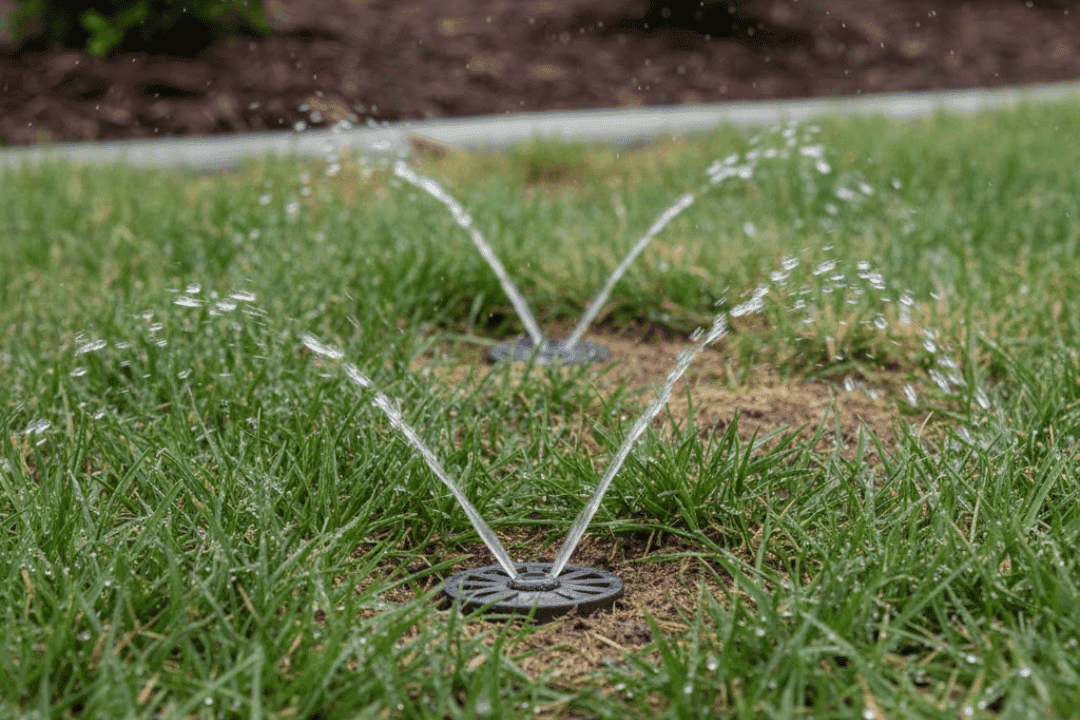
Water-efficient irrigation systems are designed around how soil absorbs and retains moisture. Clay soils absorb water slowly, increasing runoff risk, while sandy soils drain quickly and require more frequent watering.
Designers evaluate:
- soil texture and infiltration rates
- slope and drainage patterns
- root depth of plants
When irrigation systems are designed without considering soil behavior, water either pools on the surface or drains beyond the root zone. Matching application rates to soil absorption allows moisture to penetrate gradually, improving plant uptake while reducing runoff and deep water loss.
By adjusting run times and application rates to match soil conditions, water stays within the root zone instead of being lost to runoff or deep percolation. This soil-aware approach improves efficiency while protecting landscape health.
Scheduling Strategies That Support Efficient Design
Water-efficient irrigation systems rely on scheduling that complements the system’s physical design. Even the best layout can waste water if run times are excessive or poorly timed.
Design-informed scheduling focuses on:
- shorter watering cycles
- cycle-and-soak techniques
- seasonal adjustments based on weather
Because professional design ensures even coverage across zones, irrigation schedules can be optimized rather than extended. This reduces the need for corrective watering cycles and allows seasonal changes to be made without increasing overall water use.
Why Equipment Alone Cannot Fix Design Problems
Professional irrigation system design addresses inefficiencies that equipment upgrades alone cannot resolve. High-efficiency nozzles or smart controllers still rely on proper layout, zoning, and pressure balance to perform effectively.
Without a strong design foundation:
- advanced components compensate for inefficiencies
- water savings are limited
- operational issues persist
Design-driven efficiency ensures that equipment enhancements deliver real performance improvements rather than masking underlying problems. Addressing layout, zoning, and pressure at the design stage ensures that efficiency gains are structural rather than dependent on constant monitoring or manual adjustments.
Long-Term Benefits of Design-Driven Irrigation Efficiency
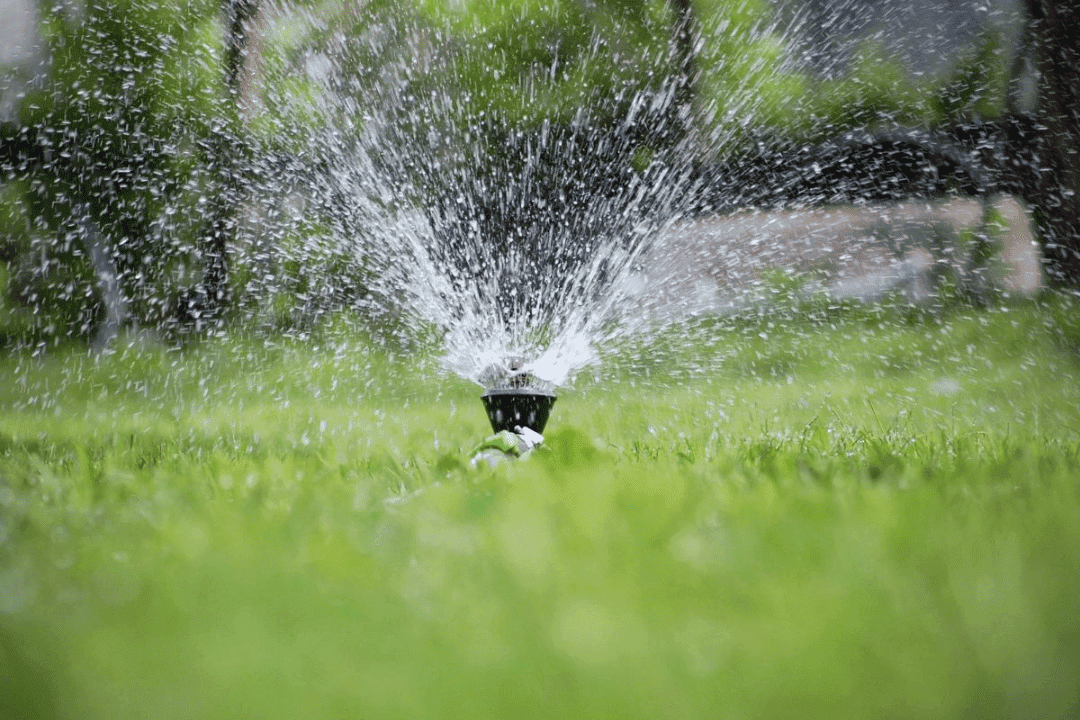
Reducing water loss through proper design delivers long-term benefits beyond lower water use. Efficient systems experience less wear, fewer repairs, and more consistent performance over time.
Design-based efficiency supports:
- stable water bills
- healthier plant growth
- reduced system stress
By addressing inefficiencies at the planning stage, professional irrigation system design creates sustainable outcomes that last for years.
Understanding the Value of Professional Planning
Irrigation system layout influences every aspect of performance, from coverage uniformity to scheduling flexibility. Professional planning ensures the system works with the landscape rather than against it.
Designing irrigation around real-world conditions provides clarity for property owners evaluating long-term water use and system performance.
Professional irrigation system design focuses on planning water movement before any physical components are installed. By resolving layout, zoning, and pressure considerations during the design phase, installation becomes more efficient and requires fewer on-site adjustments that can compromise performance.
Frequently Asked Questions About Irrigation System Design
Q: How does irrigation system design reduce water waste?
A: Proper design ensures even coverage, correct zoning, and balanced pressure so water reaches plant roots instead of being lost to runoff, overspray, or evaporation.
Q: Can irrigation efficiency be improved without replacing the entire system?
A: In many cases, improving layout, zoning, and scheduling can significantly reduce water loss even when existing components remain in place.
Q: Why is zoning important for irrigation efficiency?
A: Zoning allows areas with similar water needs to be irrigated together, preventing overwatering in low-demand areas and under-watering in high-demand zones.
Q: Does soil type affect irrigation system design?
A: Yes. Soil texture and absorption rates determine how quickly water should be applied to prevent runoff or deep water loss beyond the root zone.
Q: How often should irrigation schedules be adjusted?
A: Schedules should be reviewed seasonally and adjusted based on weather conditions, plant growth, and system performance.
Why Property Owners Trust PRO Sprinkler Systems
PRO Sprinkler Systems approaches irrigation design with a focus on efficiency, environmental responsibility, and long-term performance. With more than 20 years of experience designing and installing irrigation systems, the team understands that effective water management begins with thoughtful planning tailored to each landscape.
Systems are designed around real-world factors such as plant types, soil conditions, and available water supply, helping reduce water loss while supporting healthy landscapes. The company is led by Dominic DeSanto, who brings over 25 years of hands-on experience across residential and commercial irrigation projects and operates by a simple principle: Provide a good job at a fair price.
Installation and service teams use proven materials from manufacturers such as Hunter and Rain Bird and follow practices designed to protect existing landscapes. Ongoing maintenance support helps ensure irrigation systems continue operating efficiently over time.
Understanding Irrigation System Design in Practice
Pro Sprinklers Inc. designs and installs irrigation systems built around efficiency, performance, and long-term water conservation. Their team focuses on thoughtful system layout, proper zoning, and pressure-balanced solutions tailored to local landscapes.
Each design process begins with an on-site evaluation to understand existing conditions and long-term landscape goals. This approach allows irrigation systems to be planned with efficiency in mind from the start, reducing water loss while supporting consistent performance over time.
Homeowners and property managers exploring how irrigation systems are planned and optimized can learn more about professional design approaches and how efficient irrigation strategies support healthier landscapes.